

 English
  中文简体
中文简体  русский
  Español
  عربى
عربى 
Transformador de caja subterránea: energía compacta para redes subterráneas
el transformador de caja subterráneo se ha convertido en un componente esencial para las redes de distribución de energía urbana, desarrollos residenciales y complejos comerciales que requieren una infraestructura eléctrica compacta y visualmente discreta. Este transformador está diseñado para su instalación en bóvedas subterráneas o gabinetes tipo pedestal, lo que proporciona una transformación de voltaje confiable en una superficie pequeña. Datos recientes de servicios públicos indican que los transformadores de caja subterráneos han obtenido una adopción generalizada debido a sus beneficios estéticos, mayor seguridad y protección contra la exposición ambiental en comparación con las unidades tradicionales montadas en postes.

Construcción de gabinetes y protección contra la corrosión
el underground box transformer features a rugged enclosure constructed from stainless steel or galvanized steel with a powder-coated finish, designed to withstand prolonged exposure to moisture, soil chemicals, and temperature fluctuations. The enclosure is fully welded and gasketed to create a watertight and dust-tight seal, preventing groundwater ingress and protecting internal components from corrosion. The enclosure includes lifting eyes or flanges for safe handling during installation and removal, and reinforced walls and covers that withstand external loads from traffic or soil pressure.
el corrosion protection system includes multiple layers of coating, with a zinc-rich primer and a durable topcoat that resists chipping and scratching. The enclosure is designed to be maintenance-free for the life of the transformer, with sealed cable entry points that prevent moisture migration along the cables. The enclosure also includes a drain valve at the low point to allow removal of any accumulated condensation or water ingress, ensuring the internal environment remains dry.
Núcleo del transformador y sistema de refrigeración
el underground box transformer uses a liquid-filled design with a high-efficiency core constructed from grain-oriented silicon steel, which less core losses and improves overall efficiency. The coils are wound from high-conductivity copper or aluminum, with insulation rated for the operating temperature and voltage. The insulating liquid, typically mineral oil or a less-flammable synthetic ester, provides both electrical insulation and heat dissipation.
el cooling system relies on natural convection to transfer heat from the windings to the enclosure walls, with cooling fins or ribs on the exterior surface increasing the area for heat dissipation into the surrounding soil or air. The transformer is designed for continuous operation at full load under specified ambient conditions, with the cooling system providing adequate margin for short-term overloads. The tank includes temperature sensors that monitor oil temperature, with alarms and automatic shutdown if safe limits are exceeded.
Requisitos de instalación y terminación de cables
el underground box transformer is connected to the utility grid using underground cables, with a cable termination compartment at the base or side of the enclosure providing ample space for cable pulling, termination, and stress relief. The compartment includes:
- Soportes de soporte de cables que aseguran los cables entrantes y salientes;
- Kits de terminación para conectores de corte por carga o de corte muerto;
- Terminales de puesta a tierra para unir blindajes de cables y tierras de equipos;
- Placas de entrada de cables extraíbles para entrada de cables inferior o lateral.
el installation requires a prepared underground vault or pad that provides a stable foundation and adequate drainage, and the vault must be sized to accommodate the transformer with safe access for cable pulling, termination, and maintenance. The transformer is lowered into the vault using the lifting eyes, and the cables are pulled through the conduit and terminated in the cable compartment. The enclosure is then bolted or padlocked to prevent unauthorized access.
Características de seguridad y factores de selección
el underground box transformer includes comprehensive safety features to protect personnel and equipment, with pressure relief devices that vent excess pressure, temperature sensors that provide early warning of overheating, and liquid-level indicators for monitoring the insulating fluid. The enclosure is designed to contain potential oil leaks with a spill containment sump.
Al seleccionar un transformador de caja subterráneo, los compradores evalúan la clasificación del transformador, los requisitos de voltaje, el tipo de gabinete y la resistencia a la corrosión, la capacidad del sistema de enfriamiento y las opciones de terminación de cables. Los compradores también consideran el cumplimiento de estándares relevantes como IEEE y ANSI, y la reputación de confiabilidad del fabricante. La selección adecuada garantiza una distribución de energía confiable y eficiente.
Próximo
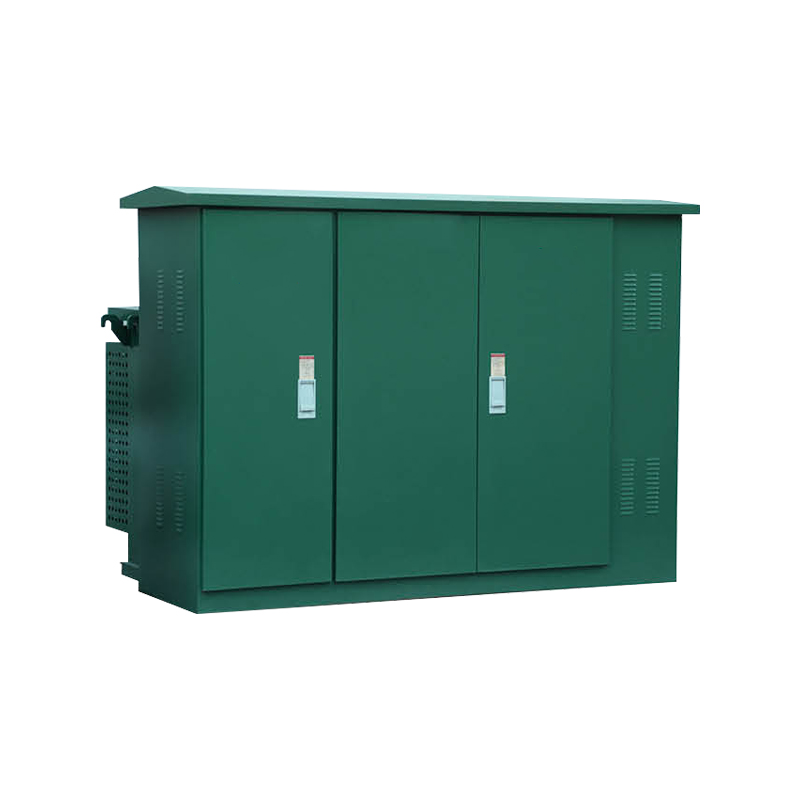
Subestación prefabricada americana combinada: solución compacta de distribución de energía
<p> el <a href="/product/box-type-substation/" target="_blank"> ...
Ver más


- Productos
- Nuevo equipo de distribución de energía energética
- Subestación tipo de caja
- Caja de rama de cable/estación de interruptor
- Agua de interruptores de alto voltaje
- Agua de interruptor de bajo voltaje
- Interruptor de vacío de ingeniería
- Pila de carga de piso de vehículo nuevo de energía
- Almacenamiento de energía comercial
- Caja completa fotovoltaica
- INFORMACIÓN
-
-
número de teléfono móvil+86-13868788848
+86-13356188725 -
Teléfono+86-0577-88810567
-
Correo electrónico
-
DirecciónNo. 59, Calle Yoyi, Zona Industrial Xinguang, Pueblo de Liushi, Ciudad de Yueqing, Provincia de Zhejiang, China
-
- CONSÚLTENOS

